
Longevity & Health Insight · 20 Jun 2026
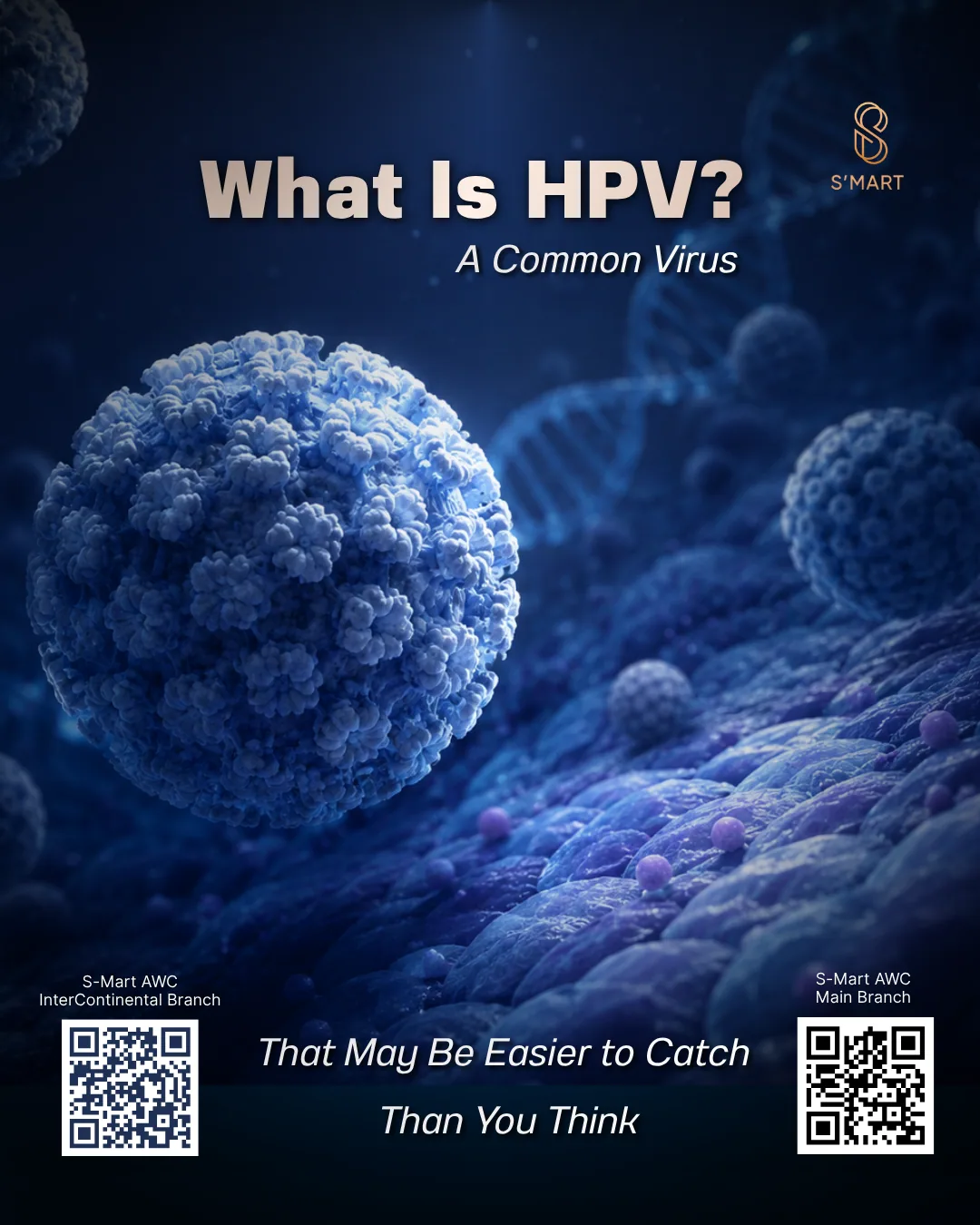
What Is HPV? A Common Virus That May Be Easier to Catch Than You Think
HPV, or Human Papillomavirus, is a common virus that can spread easily, especially through close skin-to-skin contact and sexual activity. Some strains may cause genital warts, while high-risk strains can increase the risk of cervical, anal, and oral cancers. HPV vaccination and regular screening are important steps in prevention.
Understanding the Causes, Symptoms, and Prevention of This Common Viral Infection
The question “What is HPV?” is something many people wonder about when they hear discussions around sexual health or cervical cancer. Although this virus is extremely common, many people are still unaware of the hidden risks it may carry. This article will help you understand HPV in detail, from causes and symptoms to prevention, so you can take better care of your health and the health of those you love.
What Is HPV?
HPV, or Human Papillomavirus, is a very common type of virus that can spread easily through direct contact with the virus, especially through sexual activity. Currently, more than 100 strains of HPV have been identified. These include strains that cause common skin conditions and more dangerous strains that may increase the risk of certain cancers.
How Is HPV Classified?
Medically, HPV is commonly divided into two main groups based on disease risk:
- Low-risk HPV: These strains do not cause cancer but may lead to skin changes, such as genital warts. These are commonly associated with HPV types 6 and 11.
- High-risk HPV: These are more concerning strains that can cause abnormal cell changes and may develop into cancer, particularly cervical cancer, anal cancer, and oral cancer. The most common and serious high-risk types are HPV 16 and 18.
Causes and Transmission of HPV
HPV can spread more easily than many people realise. The main routes of infection include:
- Sexual activity: This includes vaginal, anal, or oral sex with someone who carries the virus. Penetration is not always required for transmission.
- Close skin-to-skin contact: Contact with the skin or mucous membranes around the genital area of an infected person can transmit the virus.
- Having multiple sexual partners: This increases the chance of exposure to HPV from different individuals.
Important to know: Condoms can help reduce the risk of HPV infection, but they cannot provide 100% protection because the virus may be present on areas of skin not covered by a condom.
Symptoms of HPV Infection
One of the most concerning aspects of HPV is that most infected people do not show any symptoms in the early stages. As a result, many people may not know they have the virus and may unknowingly pass it on to others. In some cases, symptoms may include:
- Small growths or warts: These often appear around the genitals, anus, or groin area, and are known as genital warts.
- Abnormal vaginal discharge: This may have an unpleasant smell or contain blood, especially if cell changes have started.
- Spotting or abnormal bleeding: This may occur particularly after sexual intercourse.
Effective Ways to Prevent HPV
Although HPV spreads easily, the risk can be reduced through the following measures:
- HPV vaccination: This is one of the most effective ways to prevent HPV-related disease. Ideally, vaccination should be given before a person becomes sexually active. It can be given to both females and males from the age of 9 onwards.
- Regular cervical cancer screening: For women, regular Pap smear testing or HPV DNA testing is recommended every 1–3 years to detect abnormal cell changes early.
- Use condoms every time: While condoms cannot fully prevent HPV, they can significantly reduce the risk of HPV and other sexually transmitted infections.
- Avoid frequent changes of sexual partners: This helps reduce the chance of exposure to new HPV strains.
Now that you understand what HPV is, it becomes clear that this virus is closer to us than many people think. Having no symptoms does not always mean there is no infection. Therefore, prevention through HPV vaccination and regular health screening is an important long-term investment in protecting yourself from cervical cancer and other HPV-related diseases.
Related articles
Related articles

S-MART AWC · 01
Headquarters (Prasert Manukitch)
Address S-Mart AWC Building, 35/2 Soi Prasert Manukitch 29 (Maylab), Prasert Manukitch Road, Chorakhe Bua, Lat Phrao, Bangkok 10230
S-MART AWC · 02
Inter Branch (Phloen Chit–Chidlom)
Address Room G102, Ground Floor, President Tower Shopping Center (connected to Inter Bangkok), 973 Phloen Chit Road, Lumphini, Pathum Wan, Bangkok 10330