
Longevity & Health Insight · 26 Oct 2026
The Portfolio Diet: A Plant-Focused Approach to Cholesterol Management and Heart Health
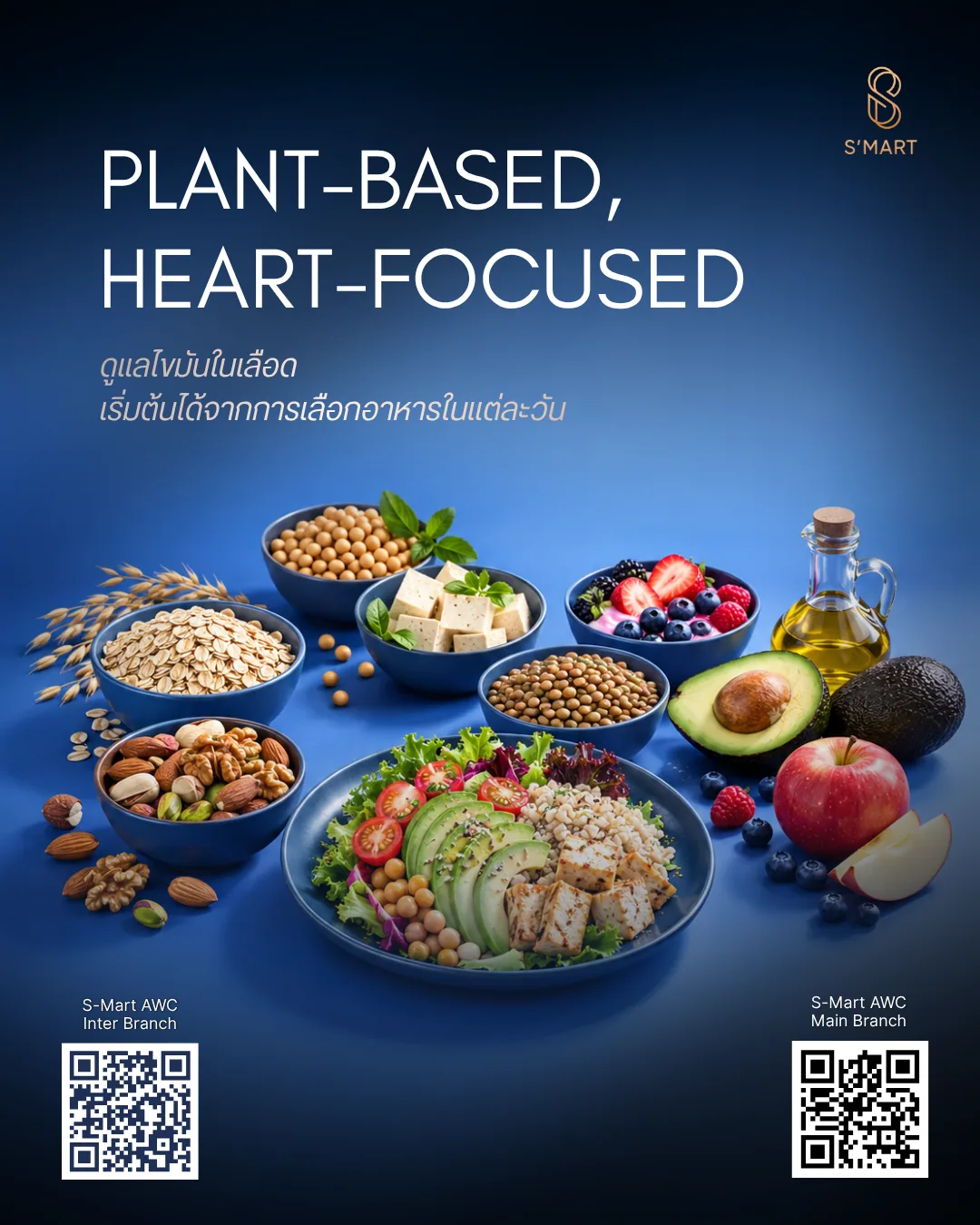
The Portfolio Diet is a plant-focused eating pattern designed to support healthy cholesterol levels and cardiovascular wellbeing. It combines five key dietary components: nuts, plant proteins, viscous soluble fibre, phytosterols, and plant-based unsaturated fats. Research suggests that greater adherence to this dietary pattern is associated with a lower risk of cardiovascular outcomes. Incorporating these foods into a balanced diet, alongside regular physical activity and appropriate medical care, may support long-term heart health.
The Portfolio Diet: A Plant-Focused Approach to Cholesterol Management and Heart Health
As we move through middle age, balancing work, family responsibilities, and everyday commitments can make looking after our health increasingly important.
Among the main health concerns for many adults are cholesterol levels and cardiovascular health.
Alongside regular physical activity, improving dietary habits is one of the important ways to support long-term heart health.
One eating pattern that has attracted attention in nutritional research is the Portfolio Diet.
Rather than focusing on strict calorie restriction, this approach brings together several plant-based foods and nutrients that may help manage blood cholesterol levels.
What Is the Portfolio Diet?
The Portfolio Diet is not a fasting programme or an extremely restrictive diet.
Instead, it involves building a dietary ‘portfolio’ of foods and nutrients with complementary cholesterol-lowering properties.
The approach traditionally emphasises four cholesterol-lowering components, with plant-based monounsaturated fats also included in broader descriptions of the dietary pattern.
The five key dietary groups are:
1. Nuts
Examples include:
- Almonds
- Walnuts
- Pistachios
- Unsweetened nut butter
Nuts provide unsaturated fats, plant protein, fibre, and other nutrients that can contribute to a heart-healthy eating pattern.
Choosing unsalted varieties and paying attention to portions can help maintain nutritional balance.
2. Plant Protein
Useful sources include:
- Soybeans
- Tofu
- Lentils
- Chickpeas
- Other beans and legumes
Replacing some animal proteins, particularly fatty or processed meats, with suitable plant proteins may help reduce saturated fat intake while providing important nutrients.
3. Viscous Soluble Fibre
Viscous soluble fibre forms a gel-like substance during digestion and can help reduce cholesterol absorption and support lower LDL cholesterol levels.
Food sources include:
- Oats
- Barley
- Apples
- Certain berries
- Legumes
The amount and type of fibre vary between foods. Oats and barley are particularly well-known sources of beta-glucan, a type of viscous soluble fibre.
4. Phytosterols
Phytosterols, also known as plant sterols, are naturally occurring plant compounds with structures similar to cholesterol.
They can help reduce the intestinal absorption of cholesterol.
Small amounts are found naturally in plant foods, while concentrated quantities may be available in certain fortified products.
The suitability of phytosterol-enriched foods or supplements should be considered individually, particularly for people with specific medical conditions.
5. Plant-Based Monounsaturated Fats
Examples include:
- Avocados
- Olive oil
- Rapeseed (canola) oil
These foods provide unsaturated fats that can replace some saturated fats in the diet.
Replacing saturated fats with unsaturated fats is an established nutritional strategy for supporting healthier blood cholesterol levels.
For a balanced Portfolio Diet, it is also advisable to limit foods high in saturated fat, while considering overall food quality and energy intake.
Potential Benefits for Cardiovascular Health
Following a plant-focused dietary pattern consistently may support cardiovascular health over time.
A 2025 prospective cohort study examined the relationship between adherence to the Portfolio Diet and cardiovascular outcomes among adults in the United States.
The findings suggested that greater adherence was associated with a lower risk of certain cardiovascular outcomes.
The original article describes risk reductions of approximately 12–16% for some cardiovascular outcomes and 14–18% for coronary heart disease outcomes, alongside associations with all-cause mortality.
These figures should be interpreted carefully, as the precise estimates depend on the outcome measured and the statistical comparisons used.
Importantly, an observational study cannot establish that following the Portfolio Diet directly causes these reductions.
Supporting Cholesterol and Other Metabolic Indicators
Research on Portfolio Diet components has also examined their potential relationships with:
- LDL-C: Low-density lipoprotein cholesterol, often described as ‘bad’ cholesterol
- CRP: C-reactive protein, a marker associated with inflammation
- HbA1c: Glycated haemoglobin, which reflects average blood glucose levels over approximately two to three months
Dietary interventions incorporating Portfolio Diet principles may improve LDL cholesterol levels in some individuals.
Findings for inflammatory and blood glucose markers are more variable and depend on the study design, participants, and overall dietary pattern.
It is therefore important not to assume that all these markers will improve in every person.
How to Start the Portfolio Diet in Everyday Life
Adopting a Portfolio Diet does not mean changing every meal overnight.
Small, manageable changes can help make the eating pattern more sustainable.
Breakfast: Add Oats or Fresh Fruit
Consider adding oats, barley-based foods, or fresh fruit to your breakfast.
For example, a bowl of porridge with apple slices and a small portion of nuts can provide fibre and plant-based nutrients.
Snacks: Choose Nuts Instead of Highly Processed Snacks
Replace some highly processed snacks with a small handful of unsalted almonds, walnuts, or other nuts.
These foods provide healthy fats and other nutrients, although portion sizes remain important because nuts are energy-dense.
Main Meals: Include More Plant Protein
Try using tofu, lentils, or chickpeas in place of some fatty meat dishes.
You might also add olive oil to salads or use an appropriate amount of unsaturated vegetable oil when preparing meals.
These gradual changes can help increase the proportion of plant-based foods in your diet.
Making the Portfolio Diet Part of a Healthy Lifestyle
Although diet plays an important role in cholesterol management, cardiovascular health depends on several factors.
For long-term wellbeing, it is helpful to combine healthy eating with:
- Regular physical activity
- Adequate sleep
- Avoiding smoking
- Maintaining an appropriate body weight
- Monitoring blood pressure, blood glucose, and blood lipids when indicated
- Following prescribed medical treatment when necessary
The Portfolio Diet is a supportive dietary strategy, not a replacement for cholesterol-lowering medicines when these are clinically indicated.
People with established cardiovascular disease, significantly elevated cholesterol, or other relevant conditions should discuss dietary changes with their healthcare professional.
Conclusion
The Portfolio Diet offers a practical way to make plant-based foods a larger part of everyday eating.
By combining nuts, plant protein, viscous soluble fibre, phytosterols, and unsaturated plant fats, this dietary pattern may help support healthy cholesterol levels and cardiovascular wellbeing.
Research has found associations between greater adherence to the Portfolio Diet and lower risks of certain cardiovascular outcomes.
However, the results vary between individuals, and dietary changes should be considered alongside overall lifestyle and medical needs.
Choosing nutritious foods today is one way to invest in long-term heart health and support an active, fulfilling life.
Reference
Kavanagh, M. E., Zurbau, A., Glenn, A. J., Oguntala, J. O., Josse, R. G., Malik, V. S., Chiavaroli, L., Liu, S., Kendall, C. W. C., Jenkins, D. J. A., & Sievenpiper, J. L. (2025). The portfolio dietary pattern and risk of cardiovascular disease mortality during 1988–2019 in US adults: A prospective cohort study. BMC Medicine, 23(1), 287.https://doi.org/10.1186/s12916-025-04067-1
Related articles
Related articles

S-MART AWC · 01
Headquarters (Prasert Manukitch)
Address S-Mart AWC Building, 35/2 Soi Prasert Manukitch 29 (Maylab), Prasert Manukitch Road, Chorakhe Bua, Lat Phrao, Bangkok 10230
S-MART AWC · 02
Inter Branch (Phloen Chit–Chidlom)
Address Room G102, Ground Floor, President Tower Shopping Center (connected to Inter Bangkok), 973 Phloen Chit Road, Lumphini, Pathum Wan, Bangkok 10330