
Longevity & Health Insight · 28 Oct 2026
Understanding Fatty Liver Disease
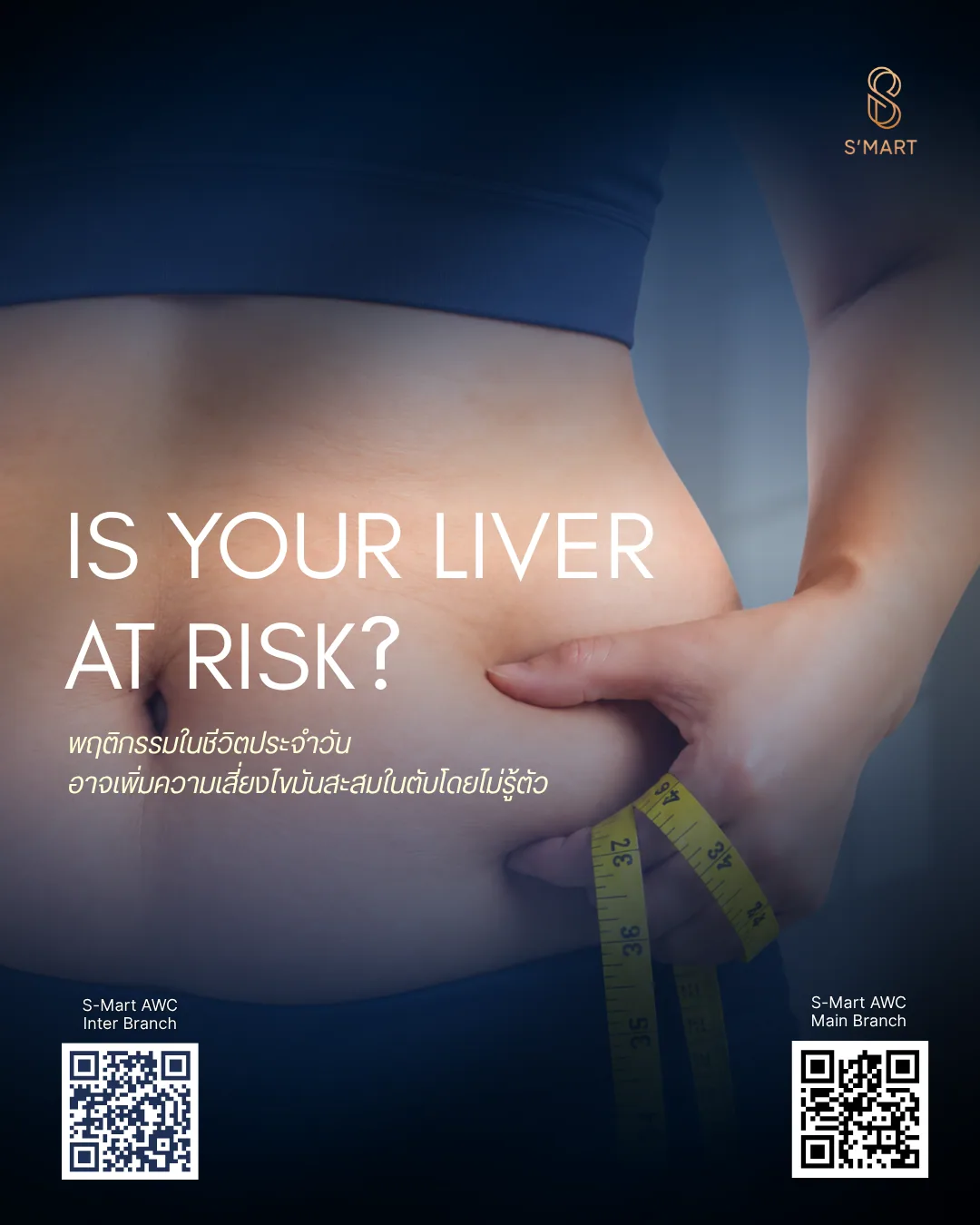
Metabolic dysfunction-associated steatotic liver disease (MASLD) can develop without obvious symptoms and is closely linked to metabolic risk factors such as excess abdominal fat, high blood pressure, elevated blood glucose, high triglycerides, and low HDL cholesterol. Having several risk factors may be associated with a greater likelihood of liver fibrosis. Appropriate medical assessment, balanced nutrition, weight management, and regular physical activity can help support long-term liver health.
Risk Factors That May Indicate the Need for a Liver Health Assessment
Modern dietary habits and increasingly sedentary lifestyles can contribute to a range of metabolic health concerns.
One condition that may develop without obvious symptoms is fatty liver disease, particularly Metabolic Dysfunction-Associated Steatotic Liver Disease (MASLD).
MASLD refers to excess fat accumulation in the liver in people who also have certain cardiometabolic risk factors, within the framework of the current disease classification.
It is closely associated with conditions such as obesity, type 2 diabetes, and other metabolic abnormalities.
Although alcohol consumption remains an important consideration when assessing liver disease, MASLD should not be understood simply as a condition caused by alcohol.
One concern is that some people with MASLD may develop liver fibrosis, a process involving the accumulation of scar tissue in the liver.
Over time, progressive fibrosis can affect liver structure and function.
Understanding personal risk factors and seeking appropriate medical assessment may help identify people who could benefit from further evaluation.
5 Metabolic Risk Factors Worth Knowing
Certain metabolic health indicators may help identify people who have an increased likelihood of MASLD or liver fibrosis.
Five important factors include:
1. Overweight or Abdominal Obesity
Having excess body weight, an elevated Body Mass Index (BMI), or increased waist circumference may indicate greater metabolic risk.
Abdominal fat accumulation is particularly relevant because it is associated with insulin resistance and other metabolic abnormalities.
However, MASLD can also occur in people whose BMI is within the normal range.
2. High Blood Pressure
Blood pressure above the recommended range, or the use of medication to manage hypertension, may indicate an underlying cardiometabolic risk factor.
High blood pressure frequently occurs alongside other metabolic conditions associated with MASLD.
3. Elevated Blood Glucose
Prediabetes, type 2 diabetes, and elevated blood glucose levels are important factors when assessing metabolic and liver health.
People with type 2 diabetes may have an increased risk of advanced liver fibrosis.
4. High Triglycerides
Elevated blood triglyceride levels may reflect abnormalities in lipid metabolism.
High triglycerides can occur alongside insulin resistance and other conditions associated with fatty liver disease.
5. Low HDL Cholesterol
High-density lipoprotein (HDL) cholesterol is commonly referred to as ‘good cholesterol’.
Low HDL cholesterol levels may be another indicator of metabolic dysfunction, particularly when combined with other risk factors.
Who Should Consider Liver Health Screening?
The presence of several metabolic risk factors may help identify people who could benefit from further assessment.
However, the number of risk factors alone cannot confirm or exclude liver fibrosis.
Risk-based screening should also consider existing diagnoses, blood test results, age, alcohol consumption, and other clinical information.
People With Two or More Risk Factors
Individuals who have at least two metabolic risk factors, such as abdominal obesity together with high blood pressure, may benefit from reviewing their liver health with a doctor.
A healthcare professional can assess whether liver-related blood tests or further fibrosis evaluation are appropriate.
Having two risk factors does not necessarily mean that liver fibrosis is already present.
People With Three or More Risk Factors
People with three or more metabolic abnormalities may have a greater likelihood of metabolic dysfunction and associated liver conditions.
A more detailed clinical assessment may be appropriate, particularly if additional risk factors or abnormal blood test results are present.
The need for investigations should be determined individually rather than based solely on a fixed number of risk factors.
People Who Require Particular Attention
People with type 2 diabetes, obesity accompanied by additional metabolic abnormalities, or previously identified fatty liver disease may warrant closer evaluation.
Depending on their circumstances, a doctor may recommend structured assessment for advanced liver fibrosis.
The frequency and type of follow-up depend on the individual's overall risk profile.
What If You Have Fewer Than Two Risk Factors?
Having fewer metabolic risk factors may be associated with a lower likelihood of significant liver disease in some populations.
However, it does not guarantee that MASLD or advanced fibrosis is absent.
People with a normal BMI, for example, can still develop fatty liver disease.
Other factors, including diabetes, family history, alcohol use, medications, and existing liver conditions, may also affect risk.
Therefore, professional assessment remains important when there are clinical concerns.
How Is Liver Health Assessed?
A doctor may use several approaches to evaluate liver health.
These can include:
Medical History and Physical Assessment
The clinician may review weight, waist circumference, blood pressure, existing medical conditions, medication use, and alcohol consumption.
Blood Tests
Blood tests may include liver enzymes and other relevant metabolic indicators.
Some results can also be used to calculate non-invasive fibrosis risk scores, such as FIB-4, which incorporates age, liver enzyme levels, and platelet count.
A blood test alone cannot always determine whether significant liver fibrosis is present.
Liver Imaging
Ultrasound may help identify fatty changes in the liver, although it has limitations, particularly for detecting mild steatosis.
When clinically indicated, liver elastography, such as transient elastography, may provide additional information about liver stiffness and the likelihood of fibrosis.
The most appropriate investigations depend on the doctor's assessment.
Supporting Liver Health Through Everyday Habits
Lifestyle changes are an important part of MASLD management, particularly when the condition is associated with excess weight or other metabolic abnormalities.
Maintain an Appropriate Body Weight
For people who are overweight, gradual and sustainable weight management may help reduce liver fat and improve certain metabolic indicators.
The appropriate target should be personalised.
Choose a Balanced Dietary Pattern
A nutritious eating pattern may include:
- Vegetables and fruit
- Whole grains
- Legumes and other plant proteins
- Fish and suitable lean proteins
- Unsaturated fats
Limiting excess added sugar, sugar-sweetened drinks, and foods high in saturated fat may also support metabolic health.
Rather than focusing only on avoiding fried foods, overall dietary quality and energy balance are important.
Stay Physically Active
Regular aerobic activity and resistance exercise can help support metabolic health.
Physical activity may also provide liver-related benefits even when weight loss is modest.
Manage Other Metabolic Conditions
Appropriate management of diabetes, high blood pressure, and abnormal blood lipid levels is also important.
People taking prescribed medicines should continue treatment as advised by their healthcare professional.
Conclusion
MASLD is a common liver condition closely associated with metabolic health.
Factors such as abdominal obesity, elevated blood pressure, high blood glucose, high triglycerides, and low HDL cholesterol can help identify people who may need closer assessment.
Having several risk factors may be associated with a greater likelihood of liver fibrosis, but the number of factors alone is not sufficient for diagnosis.
Early recognition, appropriate clinical assessment, balanced nutrition, and regular physical activity may help support liver health and reduce longer-term health risks.
Looking after your liver begins with understanding your metabolic health and seeking appropriate assessment when risk factors are present.
Reference
Song, B. G., Goh, M. J., Kang, W., Gwak, G.-Y., Paik, Y.-H., Choi, M. S., Lee, J. H., & Sinn, D. H. (2026). Optimal screening criteria for metabolic dysfunction-associated steatotic liver disease with fibrosis. Annals of Hepatology, 31, 102199.https://doi.org/10.1016/j.aohep.2026.102199
Related articles
Related articles



S-MART AWC · 01
Headquarters (Prasert Manukitch)
Address S-Mart AWC Building, 35/2 Soi Prasert Manukitch 29 (Maylab), Prasert Manukitch Road, Chorakhe Bua, Lat Phrao, Bangkok 10230
S-MART AWC · 02
Inter Branch (Phloen Chit–Chidlom)
Address Room G102, Ground Floor, President Tower Shopping Center (connected to Inter Bangkok), 973 Phloen Chit Road, Lumphini, Pathum Wan, Bangkok 10330