
Longevity & Health Insight · 5 Feb 2026
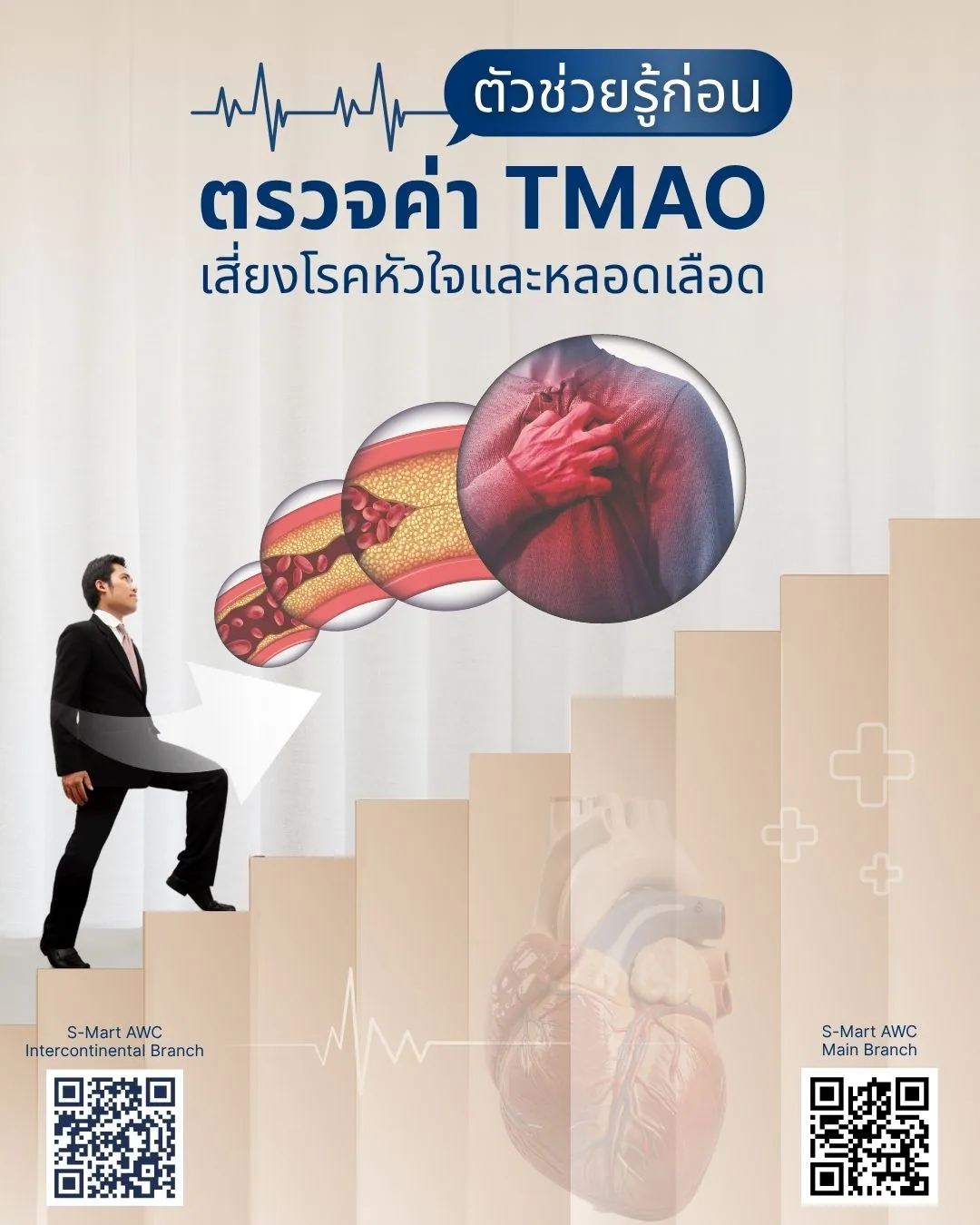
TMAO Testing: Know Your Heart and Cardiovascular Risk Early
Heart disease can develop even in people who appear healthy. TMAO is an important early warning marker that helps identify cardiovascular risk in advance. By understanding your TMAO level, you can adjust your diet and take proactive steps to keep your heart strong and healthy before it’s too late. ❤️
TMAO Testing: An Early Warning Tool for Heart and Cardiovascular Risk
🫀 Heart and cardiovascular disease: A silent threat closer than you think
Heart and cardiovascular diseases are among the leading causes of death in Thailand and worldwide. The primary cause is the buildup of fatty deposits in the arteries, which leads to narrowing and hardening of blood vessels, restricting proper blood flow.
This can result in coronary artery disease, heart failure, or even stroke often without clear warning signs.
Even individuals who appear healthy, do not smoke, and have no diabetes or high blood pressure may still be at risk. This is because some risk factors develop from internal processes within the body that we cannot see. One of these hidden factors is a compound called TMAO.
What Is TMAO?
TMAO (Trimethylamine N-oxide) is a compound produced in the body during the digestion of certain nutrients particularly choline, carnitine, and lecithin, which are commonly found in:
- Red meat (such as beef and pork)
- Organ meats
- Egg yolks
- Dairy products
When these foods are consumed, gut bacteria convert these nutrients into a substance called TMA (Trimethylamine), which is then processed by the liver into TMAO.
High levels of TMAO in the blood are associated with:
- Increased plaque buildup in arteries
- Inflammation of blood vessels
- Arterial stiffness
All of which are major contributors to heart disease and stroke.
Research shows that individuals with high TMAO levels have up to 2.5 times greater risk of heart disease compared to those with normal levels.
What Is TMAO Testing?
Today, TMAO levels can be measured through a blood test known as the i-TMAO (TMAO Test). The procedure is simple, quick, and non-invasive.
Benefits of TMAO Testing
✔ Early Detection and Prevention
The test helps identify potential cardiovascular risk before symptoms develop.
✔ Personalized Dietary Planning
Doctors can use TMAO results alongside other health data to recommend dietary and lifestyle adjustments tailored to your body.
✔ A More Complete Heart Health Assessment
TMAO testing can be combined with other blood markers, such as:
- LDL (Low-Density Lipoprotein) – “Bad” cholesterol that contributes to plaque buildup
- HDL (High-Density Lipoprotein) – “Good” cholesterol that helps remove excess fat from arteries
- hs-CRP (High-sensitivity C-reactive protein) – A marker of inflammation linked to heart disease
✔ Insight into Gut Health and Chronic Inflammation
Since TMAO production is closely linked to gut bacteria, testing may also provide insight into gut balance and inflammation levels.
How to Lower TMAO Levels Naturally
Testing is only the first step. Long-term lifestyle changes are essential to prevent elevated TMAO levels.
✅ 1. Adjust Your Diet
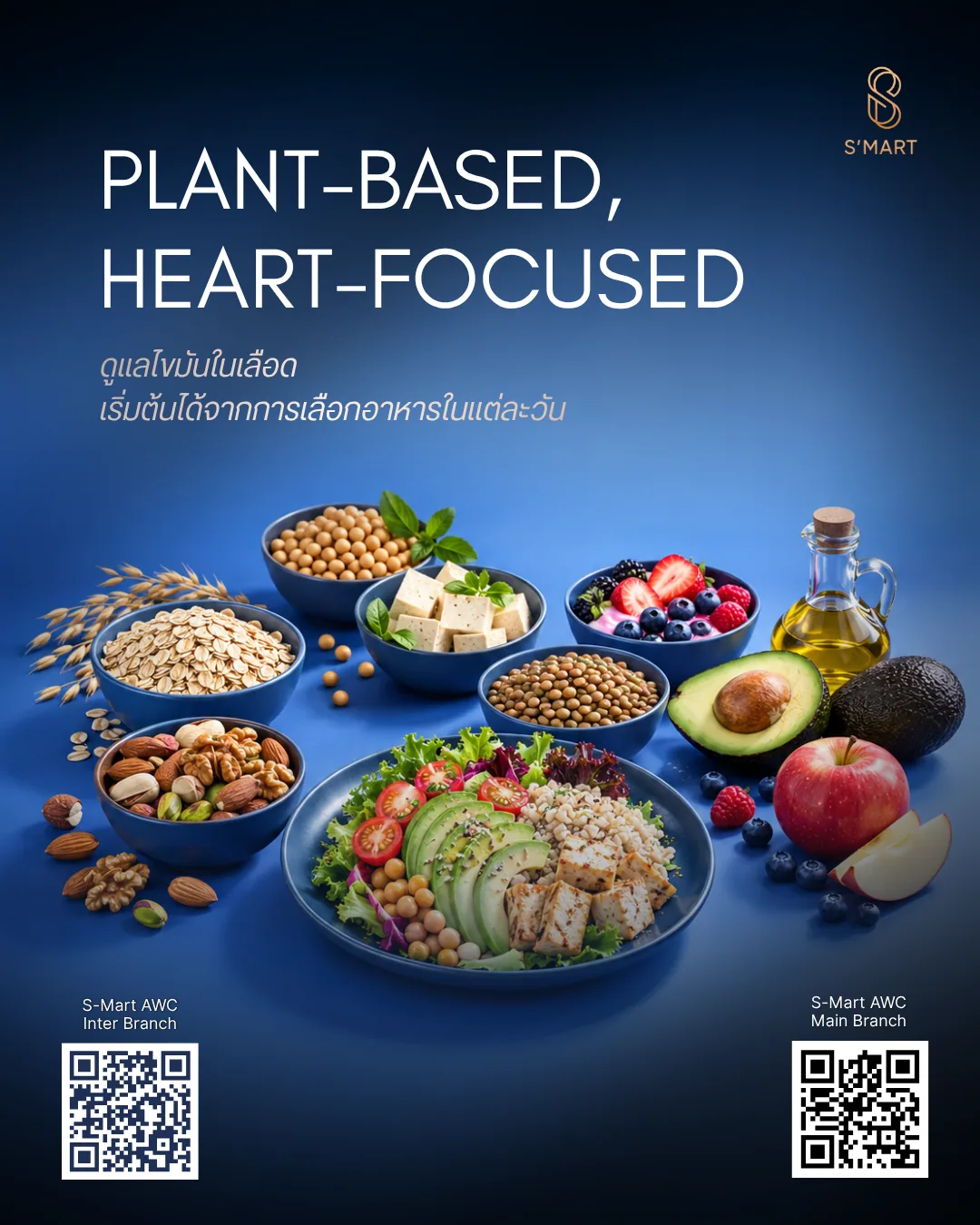
Reduce red meat and organ meat consumption. Increase fruits, vegetables, and high-fiber foods. Replace some red meat meals with fish, which contains heart-healthy Omega-3 fatty acids.
✅ 2. Support Gut Health
A balanced gut microbiome helps reduce TMA production (the precursor of TMAO).
Consume probiotic-rich or fermented foods such as yogurt, kimchi, tempeh, and kombucha. Avoid unnecessary antibiotic use.
✅ 3. Exercise Regularly
Physical activity supports heart function and helps lower blood fat levels.
✅ 4. Get Annual Health Check-Ups
Especially important for those with a family history of heart disease or who are overweight.
TMAO: An Important Early Warning Sign for Heart Health
Monitoring TMAO levels and making timely lifestyle adjustments can significantly reduce the risk of serious cardiovascular disease.
Heart health begins with “what we eat” and “what we know.” Don’t wait until illness strikes before taking action. ❤️
Related articles
Related articles

S-MART AWC · 01
Headquarters (Prasert Manukitch)
Address S-Mart AWC Building, 35/2 Soi Prasert Manukitch 29 (Maylab), Prasert Manukitch Road, Chorakhe Bua, Lat Phrao, Bangkok 10230
S-MART AWC · 02
Inter Branch (Phloen Chit–Chidlom)
Address Room G102, Ground Floor, President Tower Shopping Center (connected to Inter Bangkok), 973 Phloen Chit Road, Lumphini, Pathum Wan, Bangkok 10330