
Longevity & Health Insight · 5 Feb 2026
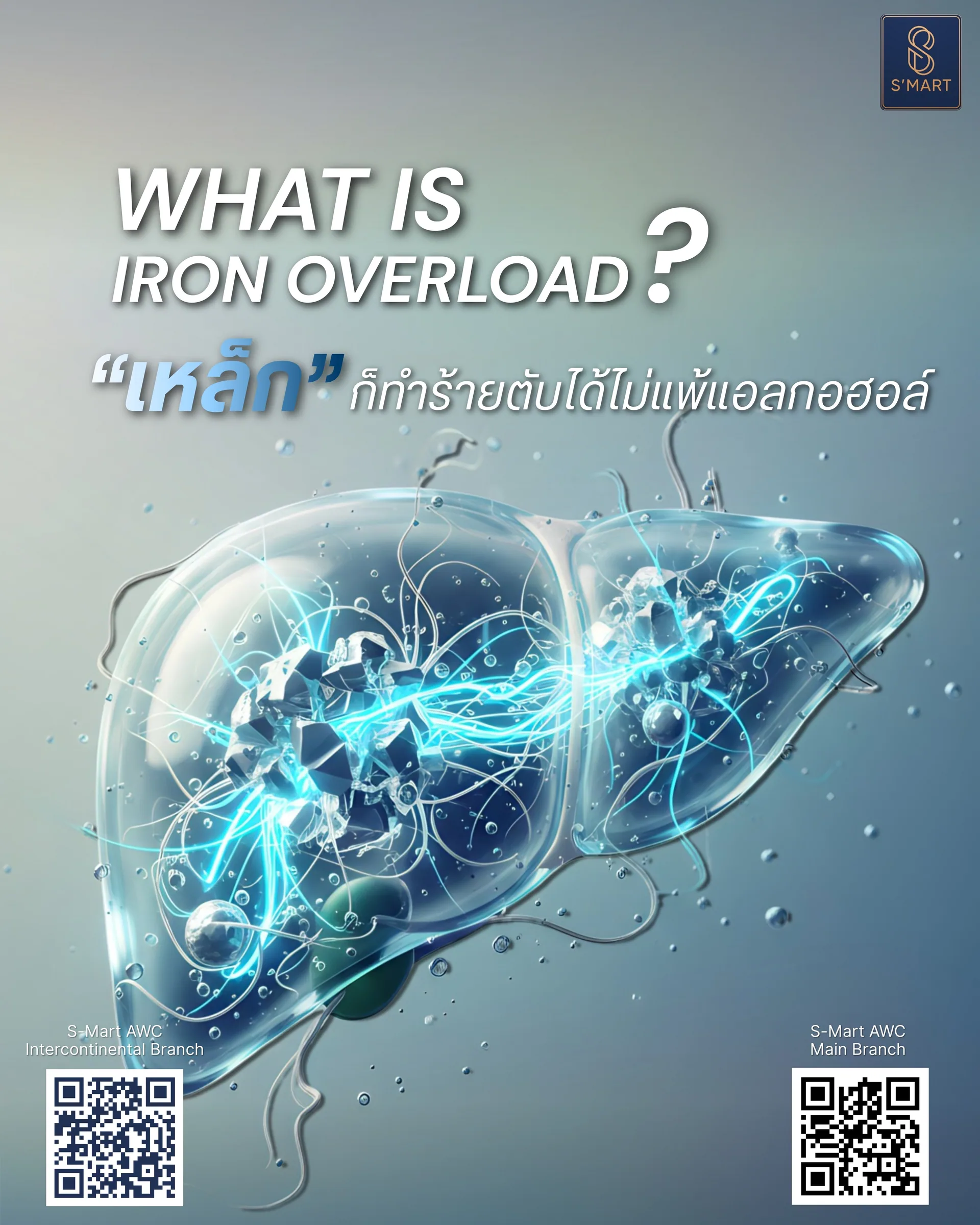
“Iron” Can Harm the Liver Just Like Alcohol
More iron doesn’t always mean better health. Research shows that excess iron can trigger cellular inflammation through the ADAM17 pathway, accelerating liver degeneration. Protecting your liver isn’t just about checking enzyme levels — it requires understanding mineral balance and hidden inflammation within the body. Your liver health may depend on more than you think.
When “Too Much Iron” Becomes a Serious Liver Issue
Most people know that iron is essential for the body.
What fewer people realize is that excess iron can become a powerful trigger of inflammation and accelerate liver damage.
A study published in Scientific Reports uncovered a key biological mechanism explaining how iron overload contributes directly to severe liver disease.
What Did the Study Investigate?
Researchers examined patients with Severe Alcoholic Hepatitis (SAH) and compared two groups:
- Those with high iron accumulation in the liver
- Those without iron overload
The findings were striking:
Patients with excess liver iron experienced significantly more severe inflammation and higher mortality rates.
How Does Iron Overload Damage the Liver?
The study revealed that when iron accumulates in liver cells and immune cells (macrophages), three critical processes occur simultaneously:
1️⃣ Oxidative Stress Escalates
Excess iron drives a chemical reaction known as the Fenton reaction, producing large amounts of free radicals.
These unstable molecules:
- Damage liver cells
- Accelerate cellular degeneration
- Increase cell death
Over time, this oxidative stress intensifies liver injury.
2️⃣ Activation of ADAM17 – The Inflammation Amplifier
Iron overload was shown to activate an enzyme called ADAM17.
ADAM17 functions by “cleaving and releasing” inflammatory mediators into the bloodstream. As a result:
- Levels of TNF-α, a major pro-inflammatory cytokine, increase significantly
- The body enters a state of sustained, severe inflammation
This creates a vicious cycle of ongoing liver injury.
3️⃣ Elevated Risk Markers in Severe Cases
Patients with worse outcomes or fatal progression showed significantly higher levels of:
- Ferritin
- sCD163
- TNF-α
These biomarkers suggest that iron overload is not merely a byproduct of liver disease it acts as a direct driver of disease severity.
Encouraging News: The Process May Be Modifiable
The study also demonstrated that reducing excess iron through iron chelation:
- Decreased ADAM17 activity
- Reduced inflammation
- Lowered oxidative stress in cells
This suggests that proper management of iron levels may play a crucial role in protecting the liver and potentially improving long-term outcomes.
Key Takeaways from the Research
- More iron is not always better
- Excess iron can directly trigger cellular inflammation
- The liver is one of the first organs affected
- Liver health should not be assessed by enzyme levels alone mineral balance and inflammatory markers matter
Iron overload may function as a “silent accelerator” of liver inflammation and degeneration.
Early detection, proper monitoring, and targeted management are essential for long-term liver health.
Integrative Approaches to Managing Iron Overload and Liver Health
Beyond lifestyle modification, laboratory monitoring, and medical supervision, integrative medicine explores additional strategies aimed at reducing circulating free iron and inflammatory mediators.
One such approach is Double Filtration Plasmapheresis (DFPP).
DFPP is a blood purification technology designed to selectively filter larger molecules, including:
- Free iron
- Inflammatory mediators
- ADAM17-related inflammatory triggers
The goal is to reduce oxidative stress and support liver recovery in individuals with iron overload or chronic inflammatory states.
However, such interventions should always be considered under individualized medical evaluation and professional guidance.
Final Thought
Iron is essential but balance is critical.
Understanding and managing iron overload may be one of the most overlooked keys to preventing progressive liver inflammation.
Because sometimes, what strengthens the body in moderation can become harmful in excess.
Research Reference
Maras, J. S., et al. (2018). Iron-overload triggers ADAM-17 mediated inflammation in severe alcoholic hepatitis. Scientific Reports, 8, 10264. DOI:10.1038/s41598-018-28483-x
Related articles
Related articles

S-MART AWC · 01
Headquarters (Prasert Manukitch)
Address S-Mart AWC Building, 35/2 Soi Prasert Manukitch 29 (Maylab), Prasert Manukitch Road, Chorakhe Bua, Lat Phrao, Bangkok 10230
S-MART AWC · 02
Inter Branch (Phloen Chit–Chidlom)
Address Room G102, Ground Floor, President Tower Shopping Center (connected to Inter Bangkok), 973 Phloen Chit Road, Lumphini, Pathum Wan, Bangkok 10330