
Longevity & Health Insight · 1 Apr 2026
When "Extreme Heat" and "UV Radiation" Team Up Against Your Skin
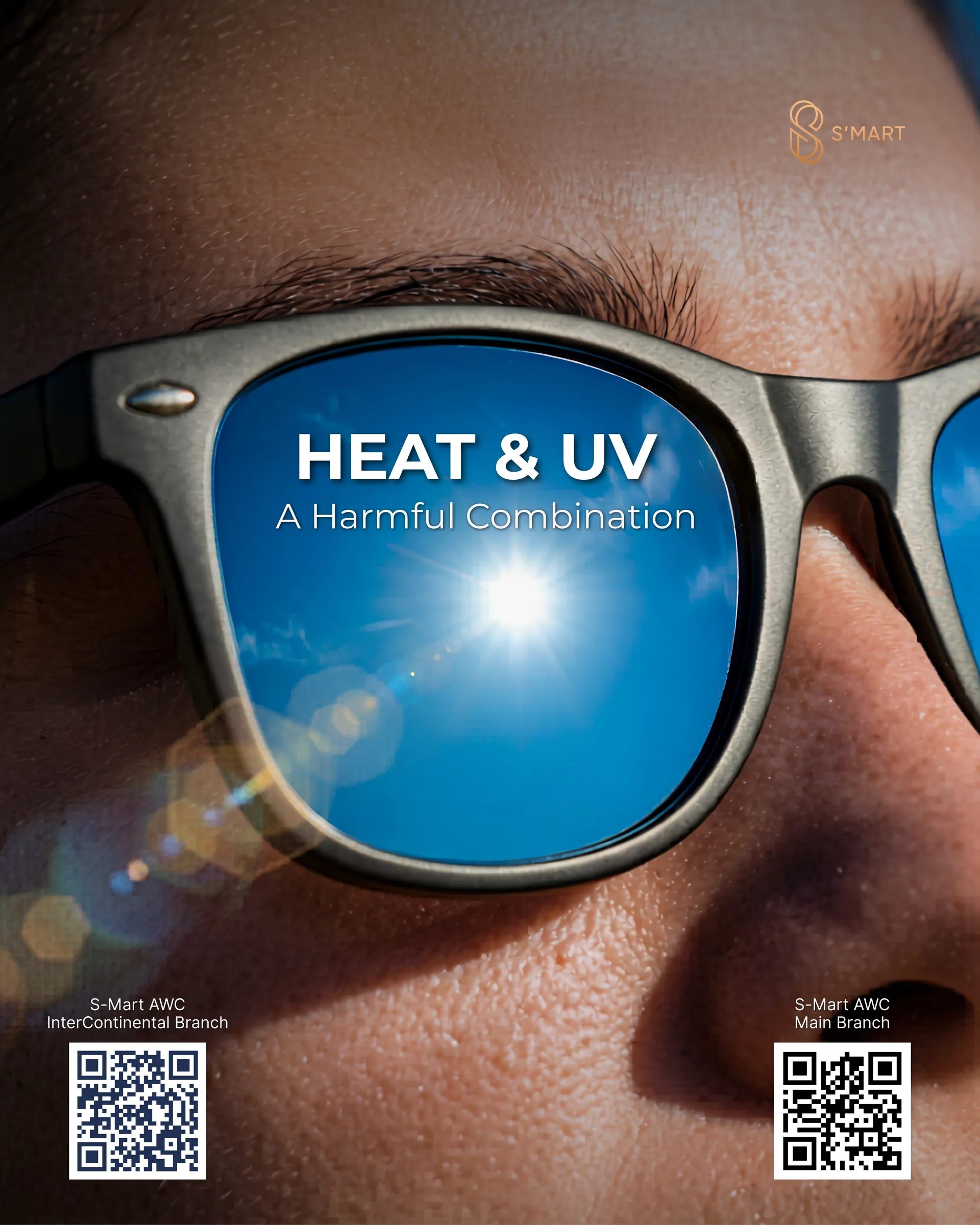
Global warming goes beyond environmental damage; "extreme heat" and "UV radiation" are teaming up to attack your skin at a cellular level. Research indicates that heat and UV rays have a synergistic effect, allowing mutated cells to survive and significantly increasing the risk of "skin cancer." They also trigger flare-ups in chronic skin conditions. Protecting your skin with sunscreen, avoiding intense sun, and staying moisturised are crucial defences you cannot afford to overlook in this era of climate change.
Tackling Global Warming: When "Extreme Heat" and "UV Radiation" Team Up Against Your Skin
When discussing "extreme heat" and "UV radiation" in an era of climate change, many might only think of dull skin, freckles, or dark spots. However, the hidden dangers accompanying soaring temperatures and scorching sun are more severe than you might think, acting as major catalysts for skin diseases and skin cancer.
Here is information gathered from research analysing the impact of UV radiation and extreme temperatures on our skin health, helping you stay informed and protect your skin correctly.
Extreme Heat + UV Radiation: A Multiplied Danger (Synergistic Effects)
A systematic review clearly states that ultraviolet (UV) radiation and rising temperatures do not damage the skin in isolation; they have a "co-carcinogenic effect." The heat interferes with DNA repair processes and inhibits the programmed cell death (apoptosis) of malfunctioning cells. Simply put, when skin is damaged by UV rays, instead of the damaged cells dying off, the extreme heat allows these mutated cells to survive, significantly increasing the likelihood of them developing into tumours or skin cancer!
Furthermore, there is an interesting behavioural factor: on extremely hot days, people tend to wear less clothing and spend more time outdoors (e.g., at the beach). This increases the risk of sunburn more easily and frequently than what a standard UV Index assessment might suggest.
Impact on Inflammatory Skin Diseases
The weather doesn't just impact cancer risks; it also heavily affects those with chronic skin conditions, with varying results depending on the disease:
- Atopic Dermatitis: Eczema flare-ups are usually worse in winter due to dry air weakening the skin barrier. However, in extreme heat with heavy sweating, heat stress becomes a trigger, causing itching and exacerbating the rash.
- Psoriasis: Moderate, natural exposure to UV radiation generally helps improve psoriasis symptoms.
- Lupus and Pemphigus: Patients with these conditions are highly photosensitive. Exposure to intense UV radiation will visibly trigger and worsen their symptoms.
Warning Signs from Global Warming for the Future of Skin Health
Researchers have forecasted an alarming statistic: a 2°C increase in the Earth's average temperature could lead to an 11% rise in the incidence of skin cancer by the year 2050. This is no longer a distant issue. Climate change is inevitably increasing the health burden on the global population.
How to Protect Your Skin from the Sun and Heat
To prevent potential skin problems, adaptation and proper skincare are essential:
- Apply sunscreen regularly: Choose products with SPF 30 or higher and a PA rating that protects against both UVA and UVB rays. Reapply every 2 hours if you are outdoors.
- Avoid intense sun: Try to stay in the shade between 10:00 am and 4:00 pm, which is when UV radiation is at its strongest.
- Wear protective clothing: Opt for breathable clothing that covers your skin, alongside wide-brimmed hats and sunglasses.
- Stay moisturised: Drink plenty of water and apply body lotion to constantly strengthen your skin barrier.
Conclusion
Global warming is not just an environmental issue; it directly impacts our bodies. Regularly observing changes in your skin and properly protecting it from the sun and heat will certainly help reduce the long-term risks of skin diseases and skin cancer.
Reference
Aranda-Sierra, E. A., Botero-Ossa, M. C., Novoa-García, E., Rivas-Camacho, N., & Alzate-Granados, J. P. (2025). UV radiation, extreme temperatures, and skin diseases: A systematic review. Journal of Clinical Case Reports and Reviews, 23(1), 10–21. https://doi.org/10.5281/zenodo.16777303
Related articles
Related articles
S-MART AWC · 01
Headquarters (Prasert Manukitch)
Address S-Mart AWC Building, 35/2 Soi Prasert Manukitch 29 (Maylab), Prasert Manukitch Road, Chorakhe Bua, Lat Phrao, Bangkok 10230
S-MART AWC · 02
Inter Branch (Phloen Chit–Chidlom)
Address Room G102, Ground Floor, President Tower Shopping Center (connected to Inter Bangkok), 973 Phloen Chit Road, Lumphini, Pathum Wan, Bangkok 10330