
Longevity & Health Insight · 10 Mar 2026
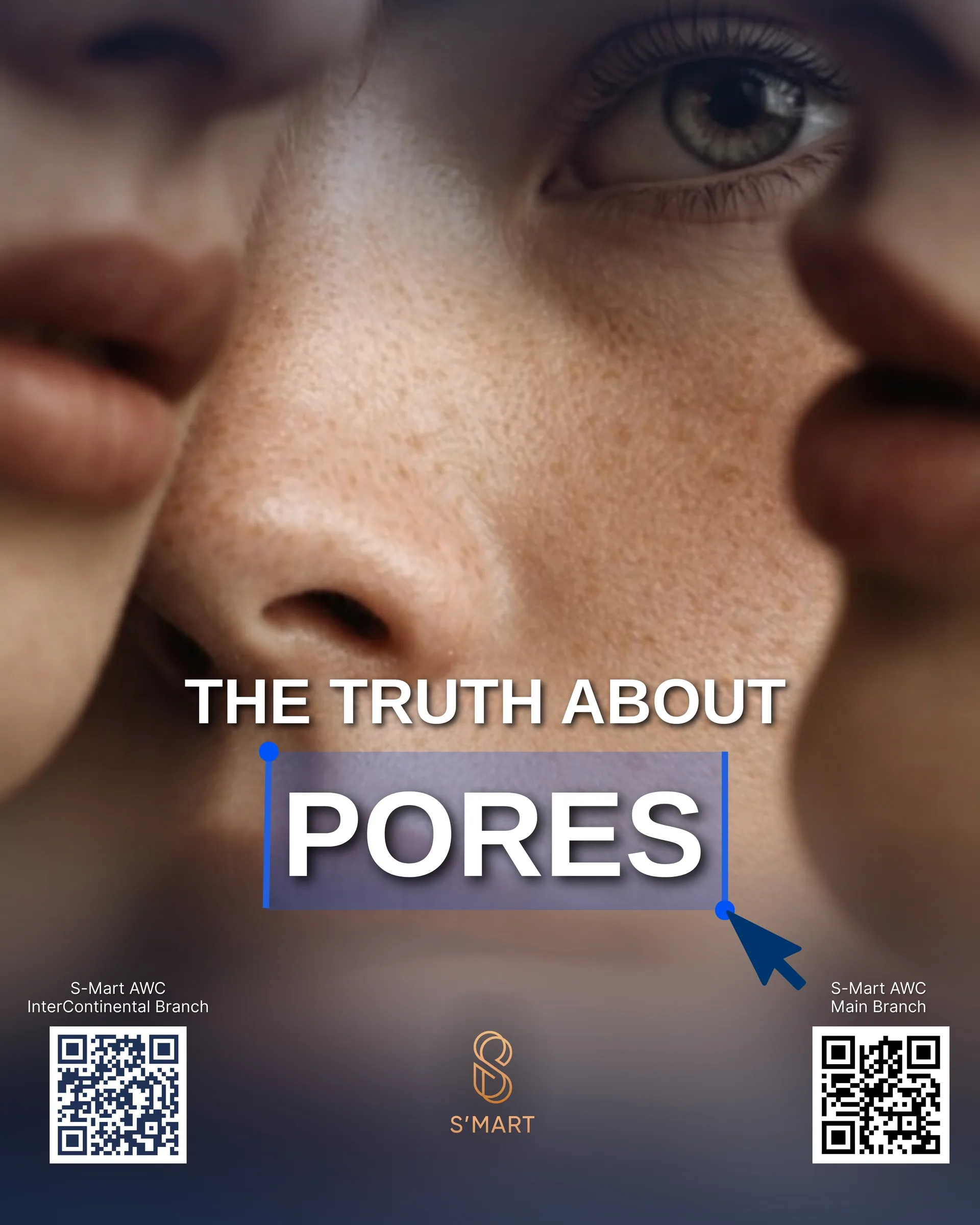
The Hidden Truth About Enlarged Pores
Unlocking the secrets of "Enlarged Pores" through an AI study analyzing over 1 million faces! Discover the unexpected causes behind enlarged pores. Facial cleansing and genetics aren't the only factors; silent threats like "nighttime light pollution," cold and dry weather, and sun exposure are major culprits that disrupt skin repair and destroy collagen. Dive into the truth about skin deterioration starting as early as age 22. Get updates on proper skincare routines and explore medical innovation shortcuts to effectively rescue your skin and tackle pores right at the source
How to Treat Enlarged Pores: The Hidden Impact of Climate and Nighttime Light You May Not Know
Enlarged pores are one of the most common skin concerns worldwide. A recent global research study used Artificial Intelligence (AI) to analyze the facial skin of over 1,000,000 Chinese individuals to better understand the real causes of enlarged pores and how environmental factors influence them.
1. Which Areas of the Face Have the Largest Pores?
AI analysis found that the cheeks tend to have the most severe enlarged pore issues, followed by the forehead and nose.
Another interesting finding is that men generally have larger pores than women across all age groups, with the difference being especially noticeable around the nose area.
2. At What Age Do Pores Start Enlarging Rapidly?
The study shows that pore conditions gradually worsen with age. However, a key turning point occurs around age 22.
At this stage, the skin begins experiencing changes in collagen production and cell turnover, causing pores to appear noticeably larger if the skin is not properly cared for.
3. Environmental Factors: Hidden Enemies of Your Pores
Besides genetics, environmental conditions play a major role in pore size.
- Temperature and Humidity
Areas with low temperature and low humidity (cold and dry climates) are associated with larger pores. Dry skin loses elasticity, which makes pores appear more visible.
- UV Exposure
Frequent exposure to sunlight and UV radiation directly damages collagen around pores, weakening the skin structure.
- Light at Night
This is one of the study’s most interesting discoveries. Cities with high levels of nighttime lighting (light pollution) were associated with people having larger pores.
This may be linked to disruptions in the circadian rhythm, preventing the skin from repairing itself properly during sleep.
4. Skincare Tips Based on the Research
- Focus on Hydration
Keep your skin well-moisturized, especially in cold weather or air-conditioned environments, to prevent dryness that makes pores appear larger.
- Apply Sunscreen Daily
Protect collagen structures from UV damage by wearing sunscreen every day.
- Sleep in a Dark Environment
Reducing exposure to artificial light at night helps maintain a healthy circadian rhythm and allows the skin to repair itself effectively.
A Faster Solution: Medical Treatments for Enlarged Pores
If skincare alone isn’t enough or you want faster results, modern dermatological treatments can address the root causes by stimulating collagen and controlling oil production.
- Pico Laser
Improves skin layers and stimulates new collagen production, making pores appear smaller and skin smoother.
- Skin Booster
Provides deep hydration and repairs the skin from within, helping treat enlarged pores caused by dehydration.
- Fractional RF
Uses radiofrequency energy to tighten skin and reduce pore size more precisely.
Because pore concerns can arise from different factors such as age, climate, or lifestyle habits consulting a dermatologist or skincare specialist can help determine the most suitable treatment plan for your skin.
Conclusion
Understanding that enlarged pores are influenced not only by skincare habits but also by climate conditions and sleep patterns allows for more effective skin care planning.
The use of AI in this large-scale research marks an important step forward in understanding skin health across populations and identifying environmental factors that impact skin conditions.
Reference
Zhou, H., Xie, H., Wu, L., Song, J., Ma, Z., Zeng, D., Wang, X., Shi, S., Niu, Y., Kan, H., Cao, J., Qu, Y., Luo, Y., Meng, X., & Pernodet, N. (2024). An artificial intelligence powered study of enlarged facial pore prevalence on one million Chinese from different age groups and its correlation with environmental factors. Skin Research and Technology, 30(9), e70025. https://doi.org/10.1111/srt.70025
Related articles
Related articles


S-MART AWC · 01
Headquarters (Prasert Manukitch)
Address S-Mart AWC Building, 35/2 Soi Prasert Manukitch 29 (Maylab), Prasert Manukitch Road, Chorakhe Bua, Lat Phrao, Bangkok 10230
S-MART AWC · 02
Inter Branch (Phloen Chit–Chidlom)
Address Room G102, Ground Floor, President Tower Shopping Center (connected to Inter Bangkok), 973 Phloen Chit Road, Lumphini, Pathum Wan, Bangkok 10330