
Longevity & Health Insight · 6 Sept 2026
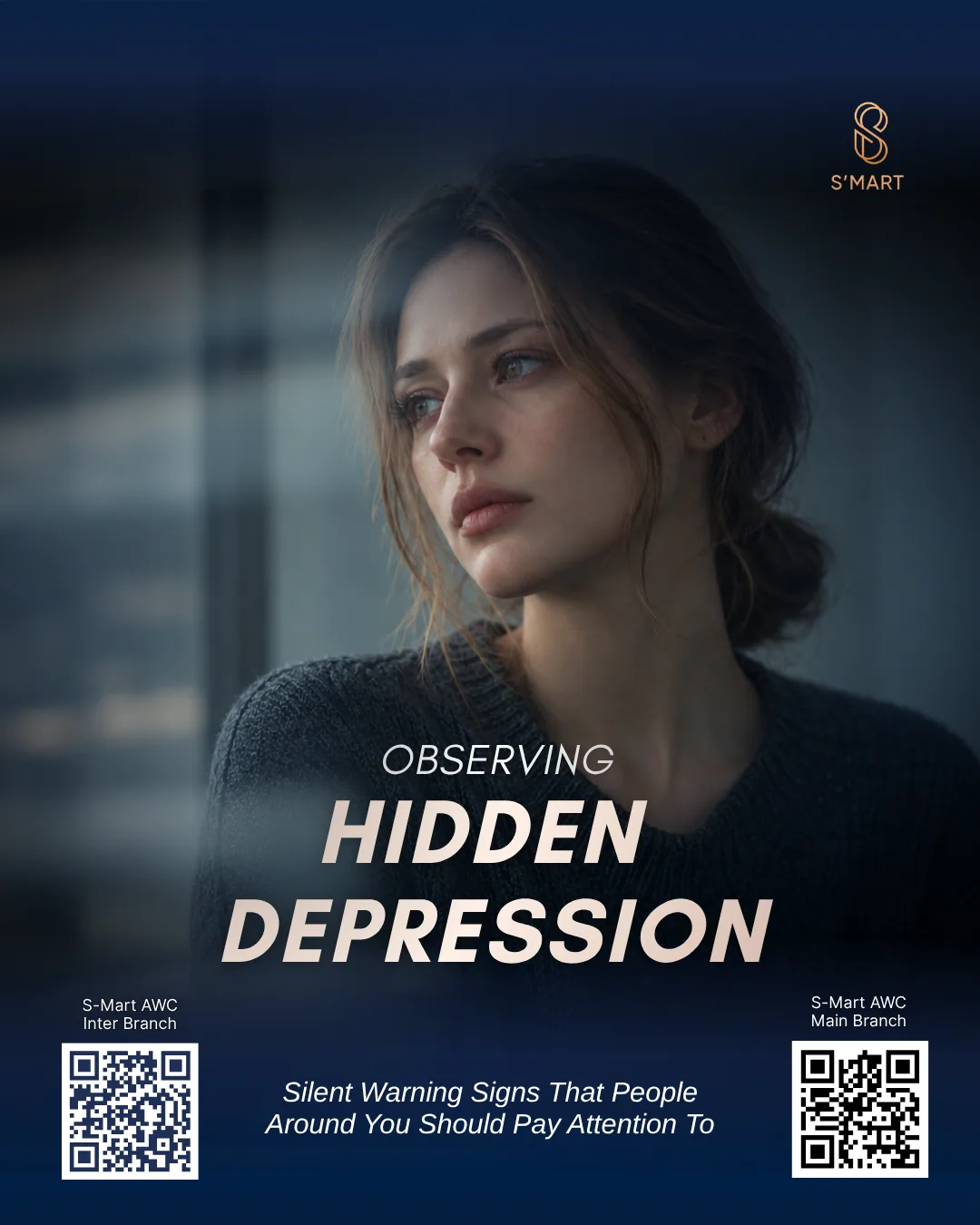
Observing “Hidden Depression”
“Hidden Depression” is often used to describe a condition in which a person may experience emotional or behavioural changes without showing them clearly. Signs may include social withdrawal, reduced motivation, or increased emotional sensitivity. However, this term is not a formal medical diagnosis. If ongoing changes are noticed, supportive listening and medical assessment are recommended.
Silent Warning Signs That People Around You Should Pay Attention To
The term “Hidden Depression” is often used to describe a pattern in which a person may experience certain emotional or behavioural changes, but does not express them clearly.
Recognising these changes may require attentiveness from people close to them, such as family members or close friends. However, it is important to note that this term is not a formal medical diagnosis.
Signs to Observe
- Social Withdrawal: Some people may begin to isolate themselves, reduce social interaction, or gradually distance themselves from people around them, even if they were not previously introverted.
- Slower or Less Active Behaviour: They may begin to live more slowly, show less enthusiasm, or have reduced motivation to take part in activities. These changes may occur together with emotional changes.
- Increased Emotional Sensitivity: Some people may become more sensitive to their surroundings. For example, they may cry or tear up easily when watching music videos or scenes that affect their emotions.
Physical Factors That May Be Related
Many people may assume that sadness must come from disappointment or emotionally distressing events only. In reality, some physical health factors may be associated with mood or may cause symptoms that resemble depression.
- The Relationship Between Neurotransmitters and the Gut: A neurotransmitter called serotonin is largely produced in the gastrointestinal system. The gut and brain communicate through a system known as the Gut–Brain Axis.
However, it should not be concluded that gut health is a direct cause of depression.
- Changes in Sex Hormones: Especially in women, changes in hormone levels during certain life stages may be associated with mood fluctuations, fatigue, bloating, or feeling less refreshed.
If symptoms continue, assessment may be helpful to identify possible related factors.
- Hypothyroidism: Sluggishness, fatigue, or emotional changes may be found together with hypothyroidism, or underactive thyroid function.
However, these symptoms can occur from many different causes, so medical assessment and appropriate testing should be considered.
How to Respond
If you begin to notice that someone close to you is withdrawing from others, becoming unusually emotionally sensitive, or experiencing physical symptoms mentioned above, try to listen with understanding and encourage them to seek medical consultation.
A proper assessment can help identify possible related factors and guide suitable care.
Renu Arjparu, M.D.
Related articles
Related articles

S-MART AWC · 01
Headquarters (Prasert Manukitch)
Address S-Mart AWC Building, 35/2 Soi Prasert Manukitch 29 (Maylab), Prasert Manukitch Road, Chorakhe Bua, Lat Phrao, Bangkok 10230
S-MART AWC · 02
Inter Branch (Phloen Chit–Chidlom)
Address Room G102, Ground Floor, President Tower Shopping Center (connected to Inter Bangkok), 973 Phloen Chit Road, Lumphini, Pathum Wan, Bangkok 10330