
Longevity & Health Insight · 22 Feb 2026
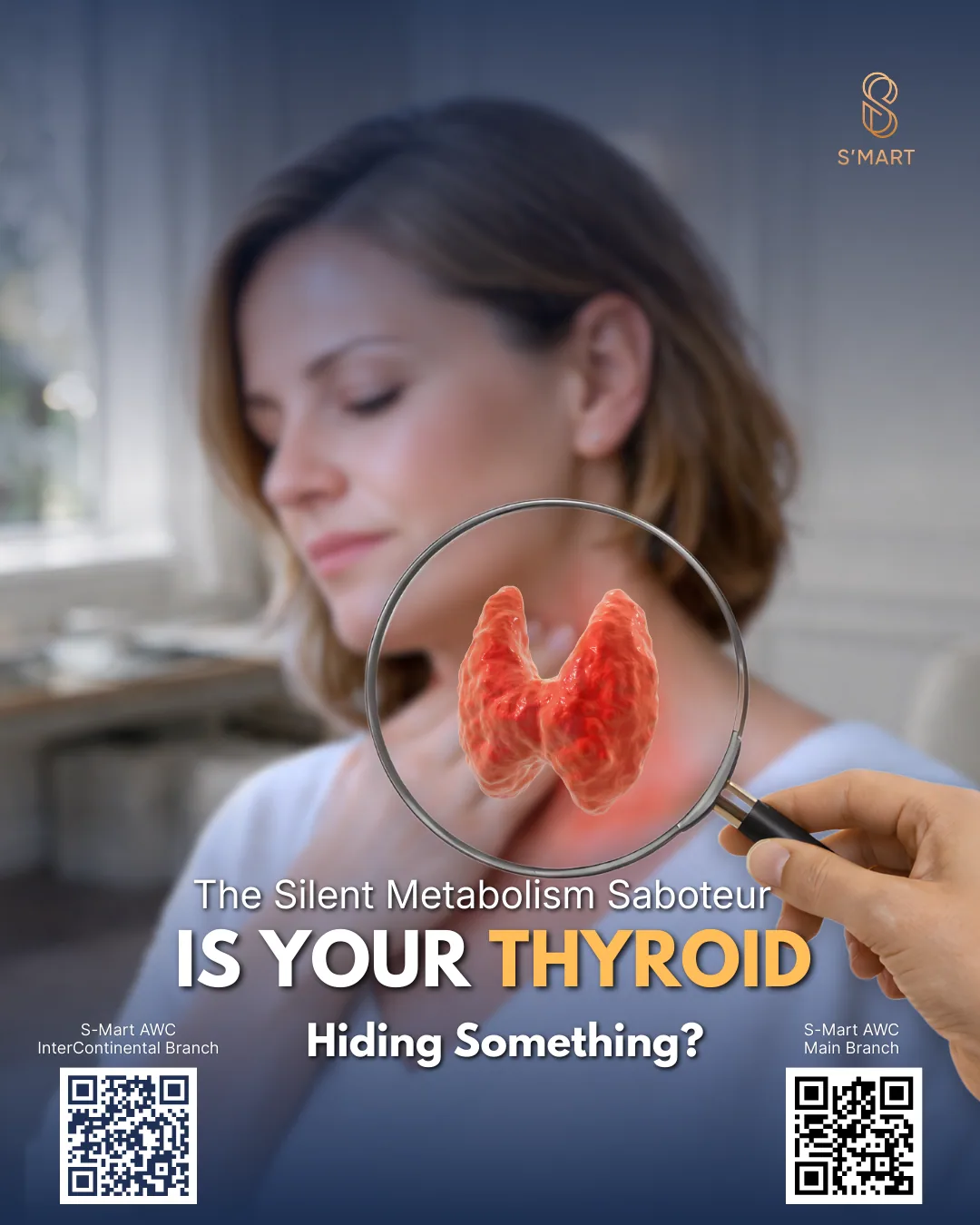
Is Your Thyroid Hiding Something?
Subclinical hypothyroidism (SCHT), although often symptomless, is associated with elevated blood lipid and glucose levels, increasing the risk of cardiovascular disease and type 2 diabetes particularly in older adults. A 2024 study suggests that individuals with SCH should regularly monitor their lipid and glucose levels, and patients with diabetes should undergo additional thyroid function screening to prevent long-term complications.
Is Your Thyroid Hiding Something?
Subclinical Hypothyroidism (SCHT) is a silent health condition that many people tend to overlook. However, a 2024 study published in Frontiers in Medicine revealed important findings confirming that this condition affects more than just the thyroid gland it is directly linked to abnormal blood lipid levels and Type 2 Diabetes Mellitus (T2DM). Below is a summary of the key insights from the research to help you better understand and take proactive care of your health.
What Is Subclinical Hypothyroidism (SCHT)?
SCHT is a condition in which thyroid-stimulating hormone (TSH) levels are mildly elevated, while actual thyroid hormones (FT3 and FT4) remain within the normal range. Although symptoms may not appear severe, over time this condition can increase the risk of cardiovascular disease.
Research Findings: Higher “Lipids and Glucose” in People with SCHT
In a retrospective study involving more than 2,119 participants, researchers identified significant differences between individuals with SCH and those without (Non-SCHT):
- Higher blood lipid levels: Individuals with SCHT had significantly higher triglycerides, total cholesterol, and low-density lipoprotein cholesterol (LDL-C) compared to the normal group.
- Higher blood glucose levels: Two-hour postprandial plasma glucose (2h Plasma Glucose) levels were higher in the SCHT group.
- Older average age: SCHT was more commonly found among older adults compared to the non-SCHT group.
When “Silent Thyroid Dysfunction” Meets “Diabetes”: Double Trouble
One of the most important highlights of the study was the analysis of SCHT patients who also had Type 2 Diabetes (T2DM). The results showed that metabolic complications were even more severe in this group.
- Body composition and heart health: SCHT patients with diabetes had higher body mass index (BMI), larger waist circumference, and faster heart rates compared to SCHT patients without diabetes.
- Lipid and glucose crisis: The group with both SCHT and diabetes showed more severe dyslipidemia and dysglycemia. In particular, triglyceride levels were higher and high-density lipoprotein cholesterol (HDL-C, the “good” cholesterol) was lower compared to those without diabetes.
Conclusion and Health Recommendations
The study concluded that patients with Subclinical Hypothyroidism (SCHT) whether or not they also have diabetes should undergo regular monitoring of blood lipid and glucose levels.
Recommendations for You
- For people with diabetes: Consider screening for thyroid function (TSH, FT3, FT4), as SCH may be present without noticeable symptoms.
- For older adults: Since SCH is more commonly found in this population, annual health check-ups are especially important.
- Lifestyle modification: Maintaining a healthy diet and engaging in regular exercise are essential for reducing the risk of complications related to abnormal lipids and blood sugar.
Taking action early makes all the difference. A “Subclinical Hypothyroidism Screening Program” can be a simple and worthwhile step toward preventing future metabolic and cardiovascular complications.
References
Zhu, L., & Jiang, X. (2024). Characteristics of blood lipid and metabolic indicators in subclinical hypothyroidism patients: A retrospective study. Frontiers in Medicine, 11, Article 1439626. https://doi.org/10.3389/fmed.2024.1439626
Related articles
Related articles

S-MART AWC · 01
Headquarters (Prasert Manukitch)
Address S-Mart AWC Building, 35/2 Soi Prasert Manukitch 29 (Maylab), Prasert Manukitch Road, Chorakhe Bua, Lat Phrao, Bangkok 10230
S-MART AWC · 02
Inter Branch (Phloen Chit–Chidlom)
Address Room G102, Ground Floor, President Tower Shopping Center (connected to Inter Bangkok), 973 Phloen Chit Road, Lumphini, Pathum Wan, Bangkok 10330