
Longevity & Health Insight · 19 Oct 2026
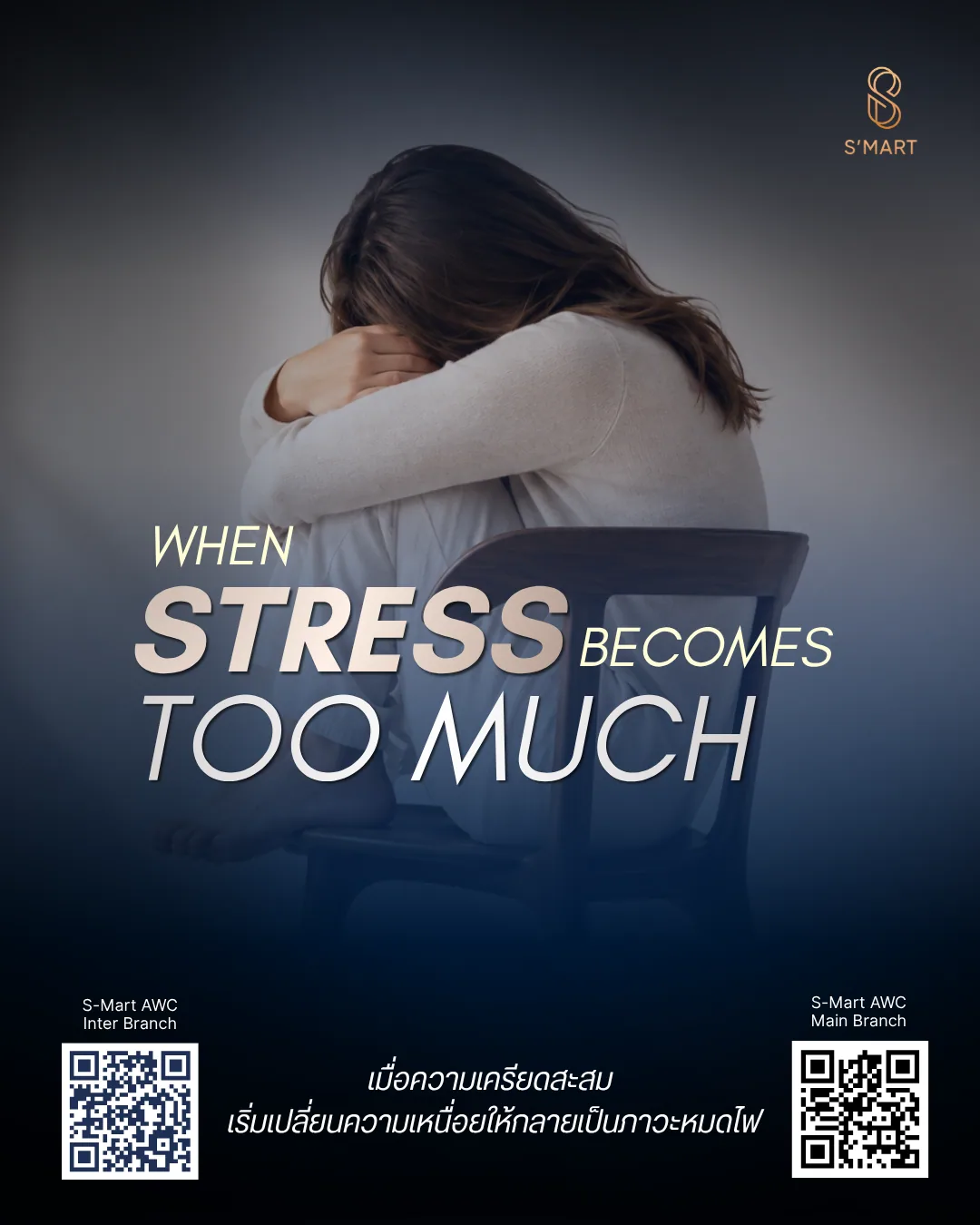
Hidden Warning Signs: Understanding Chronic Stress Before Burnout
Chronic stress can affect both physical and mental wellbeing, particularly sleep quality, concentration, memory, and the ability to manage everyday responsibilities. These effects may be associated with burnout, especially in the context of prolonged workplace stress. Recognising early warning signs and adopting a holistic approach to rest, lifestyle habits, and stress management may help support long-term wellbeing and resilience.
Hidden Warning Signs: Understanding Chronic Stress Before Burnout
In today's demanding working environment, many adults face responsibilities from several directions, including workplace pressures, family commitments, and the challenges of managing everyday life.
The term burnout has become increasingly familiar and is often understood simply as exhaustion caused by working too hard.
However, the persistent fatigue and loss of motivation associated with burnout may develop alongside chronic stress, which can affect different aspects of physical and mental wellbeing.
Understanding these connections may help us recognise potential warning signs and take a more proactive approach to health.
Chronic Stress Affects More Than Mental Health
When we experience ongoing pressure, whether from external circumstances or internal worries, the body's response involves more than emotional discomfort.
Stress can also influence physiological processes.
Prolonged activation of the body's stress-response systems may be associated with changes in immune regulation and the functioning of the autonomic nervous system.
These responses can affect how we feel physically and mentally, potentially contributing to fatigue, disrupted sleep, and difficulties coping with daily demands.
Therefore, persistent exhaustion should not automatically be dismissed as a lack of motivation.
It may be a sign that rest, recovery, and a closer assessment of overall health are needed.
However, fatigue can have several causes, and chronic stress should not be assumed to be the only explanation.
Warning Signs That Are Often Overlooked
Many people overlook small changes in their physical and mental wellbeing and continue working despite growing exhaustion.
Two areas that deserve particular attention are sleep quality and cognitive function.
1. Poor Sleep Quality
Difficulties falling asleep, interrupted sleep, and frequent waking during the night may be associated with prolonged stress.
Sleep problems can occur as a response to stress, while insufficient or poor-quality sleep may also make it harder to recover and manage daily pressures.
Over time, this combination may affect energy levels, emotional wellbeing, and everyday functioning.
2. Cognitive Difficulties
Cognitive impairments may include:
- Difficulty concentrating
- Mental fatigue or brain fog
- Increased forgetfulness
- Difficulty organising thoughts or completing tasks
These experiences do not necessarily mean that someone's abilities have permanently declined.
They may be associated with prolonged stress, poor sleep, or other health-related factors.
If cognitive changes are persistent or begin to interfere with everyday life, seeking professional assessment is advisable.
Restoring Balance Through Holistic Wellness
Chronic stress and burnout are complex issues involving interactions between the body, mind, and social environment.
Burnout is specifically associated with chronic workplace stress that has not been successfully managed. It should not be used as a general medical diagnosis for every form of exhaustion.
Because different factors may contribute to stress-related symptoms, there is no single solution that works for everyone.
A holistic wellness approach may include several areas of self-care.
Lifestyle Adjustments
Reviewing daily routines, workload, physical activity, and opportunities for recovery may help identify changes that support better wellbeing.
Improving Sleep Quality
Setting aside sufficient time for sleep, maintaining consistent sleep habits, and creating a comfortable sleeping environment may help support rest and recovery.
Managing Stress and the Surrounding Environment
Identifying sources of pressure, establishing appropriate boundaries, and making time for supportive relationships may contribute to emotional wellbeing.
Where possible, addressing excessive workplace demands and seeking practical support are also important parts of managing work-related stress.
Seeking Professional Support When Needed
If fatigue, sleep disturbances, emotional changes, or concentration difficulties persist, consulting a healthcare professional may help identify possible causes and appropriate next steps.
Psychological support or workplace adjustments may also be beneficial, depending on the individual's circumstances.
Conclusion
Experiencing burnout-related difficulties should not be viewed as a personal weakness.
Persistent exhaustion, poor sleep, and cognitive difficulties may indicate that existing demands are affecting overall wellbeing.
Recognising these signs and taking appropriate steps to manage stress can be an important part of preventive health care.
Looking after your health begins with understanding your body's needs, allowing time for recovery, and seeking support when necessary.
The information in this article is intended for general health education. Symptoms such as persistent fatigue, sleep problems, or cognitive difficulties may have different causes and should be assessed by a qualified healthcare professional when necessary.
Reference
Vandenabeele, R., Joosen, M. C. W., & van Dam, A. (2025). Chronic stress in relation to clinical burnout: An integrative scoping review of definitions and measurement approaches. Frontiers in Psychology, 16, 1712340.https://doi.org/10.3389/fpsyg.2025.1712340
Related articles
Related articles



S-MART AWC · 01
Headquarters (Prasert Manukitch)
Address S-Mart AWC Building, 35/2 Soi Prasert Manukitch 29 (Maylab), Prasert Manukitch Road, Chorakhe Bua, Lat Phrao, Bangkok 10230
S-MART AWC · 02
Inter Branch (Phloen Chit–Chidlom)
Address Room G102, Ground Floor, President Tower Shopping Center (connected to Inter Bangkok), 973 Phloen Chit Road, Lumphini, Pathum Wan, Bangkok 10330